
Why Change Stampers
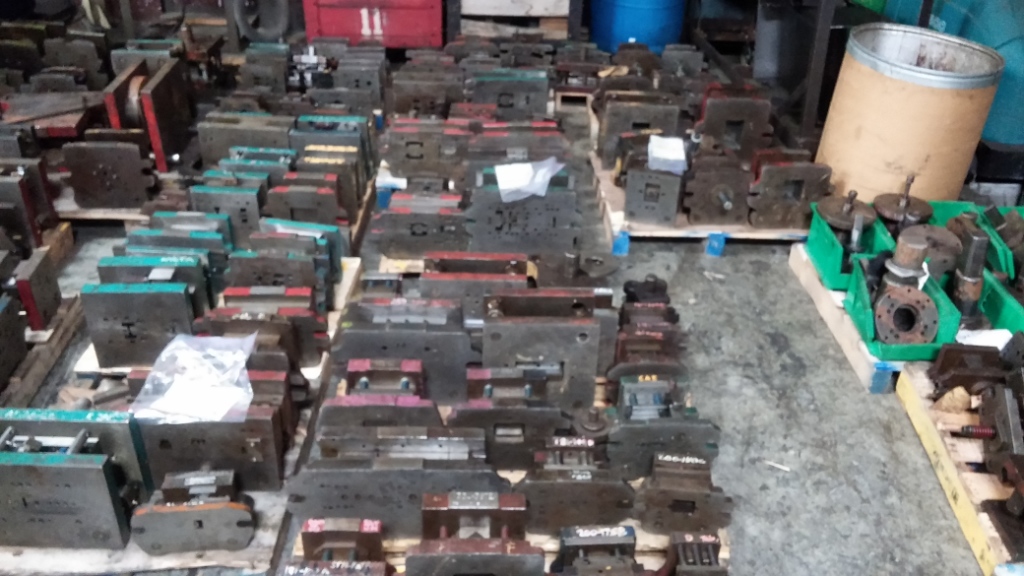
Why an OEM Might Move Their Stamping Dies from One Stamper to Another
In the world of precision metal stamping, relationships between OEMs (original equipment manufacturers) and their contract stampers often span years or even decades. Yet despite the long-standing nature of these partnerships, situations arise where an OEM decides to relocate its tooling—sometimes dozens of dies—from one stamper to another. This decision is never taken lightly. It carries implications for production continuity, quality, cost, and supplier relationships. Understanding why an OEM might move its stamping dies helps illustrate the complexity of supply chain management in the manufacturing industry.
1. Quality and Process Control Issues
One of the most common reasons an OEM moves dies is quality inconsistency. If a stamper struggles to meet tolerances, maintain surface finish standards, or control dimensional variation, it can directly affect the OEM’s production line. Problems like burrs, flatness deviations, or inconsistent plating thickness lead to rejected parts, downtime, and warranty risks.
Often, such issues begin subtly—perhaps with an uptick in nonconformance reports or a rise in customer returns. Over time, if corrective actions fail to bring the process back under control, the OEM may lose confidence in the stamper’s quality system. In regulated industries such as automotive, aerospace, or medical devices, this is especially critical. A supplier that can’t meet PPAP (Production Part Approval Process) or SPC (Statistical Process Control) requirements may no longer be eligible to produce safety-critical parts.
When quality performance affects delivery reliability or end-product performance, moving dies becomes a matter of protecting brand integrity and ensuring compliance.
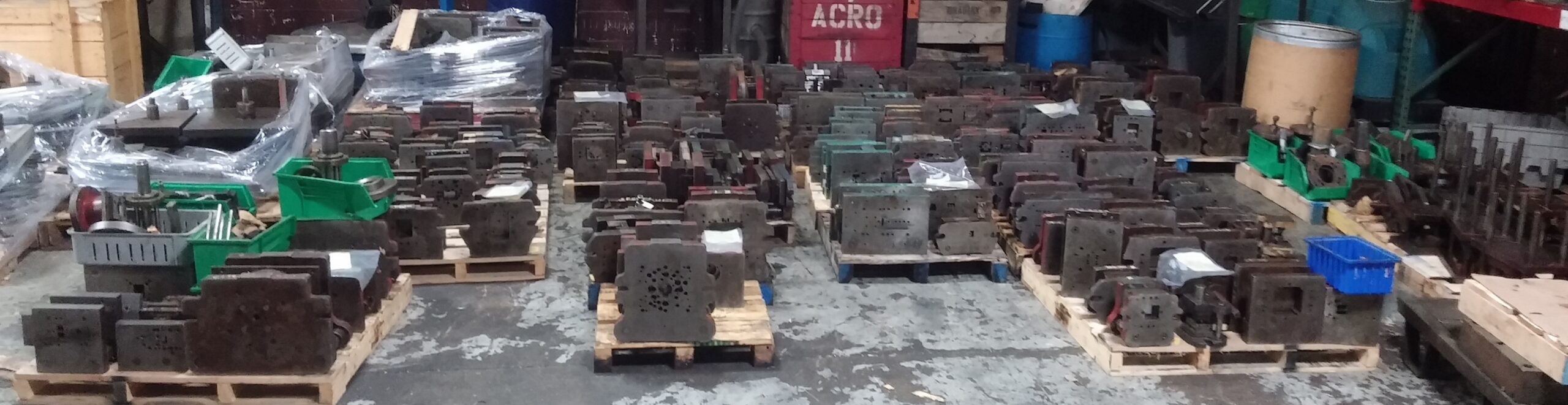
2. Cost Pressures and Competitiveness
Cost is another key factor in tool relocation decisions. OEMs continually face market pressure to reduce component costs, and they evaluate suppliers accordingly. A stamper’s labor efficiency, material utilization, and overhead structure all affect the final piece price.
If a competing stamper demonstrates lower per-part costs through higher automation, better nesting, or more efficient coil utilization, the OEM might explore transferring existing tooling. While moving dies involves upfront logistics and setup expenses, the long-term savings can outweigh the disruption—particularly on high-volume programs.
Additionally, offshore vs. domestic production economics can influence such moves. For example, when freight costs, tariffs, or lead times from overseas suppliers become prohibitive, OEMs may “reshore” tooling to a local stamper to improve responsiveness. Conversely, cost-sensitive products with stable demand may be transferred to low-cost regions if it helps maintain competitiveness.
3. Capacity and Lead Time Constraints
Even when a stamper performs well, capacity limitations can drive an OEM to move tooling. When the stamper’s presses are booked, lead times can stretch unacceptably. In industries like appliances, automotive, or electronics—where schedules shift rapidly—OEMs often require suppliers that can ramp up or adjust quickly.
Sometimes, the move is strategic rather than corrective. An OEM may want to dual-source a component to reduce dependence on one supplier. By transferring a copy or backup of the die to another stamper, the OEM creates redundancy in case of labor shortages, equipment failures, or regional disruptions. The COVID-19 pandemic underscored the value of supply chain resilience, and many companies have since implemented multi-supplier strategies.
4. Business Stability and Supplier Health
The financial stability of a stamper can also influence tool transfers. If a supplier is struggling—perhaps facing bankruptcy, ownership changes, or operational downsizing—OEMs often take proactive steps to protect their tooling and ensure continuity of supply. Since most dies remain property of the OEM, retrieving and relocating them before a business closure is often essential.
Similarly, cultural or communication issues within the supplier relationship can erode trust. Late deliveries, slow responses to engineering changes, or lack of transparency about process problems can push an OEM to look elsewhere. In industries where production schedules are tightly integrated, communication lapses can have costly ripple effects.
5. Engineering and Technology Upgrades
Sometimes, moving a die is about progress, not problems. Advances in stamping technology—such as servo presses, in-die sensing, or improved lubrication systems—can enable better part consistency, longer tool life, or higher production rates. An OEM may relocate dies to a more technologically capable stamper who can provide process improvements unavailable at the current facility.
In other cases, the OEM might request tool refurbishment or re-engineering during the move. A newer stamper may incorporate die protection sensors, better material feed systems, or upgraded die maintenance tracking. The move thus becomes an opportunity to extend the tooling’s life and performance rather than merely changing suppliers.
6. Consolidation and Strategic Sourcing Initiatives
Large OEMs frequently undertake supplier consolidation efforts to streamline procurement. Managing fewer suppliers can simplify logistics, improve negotiation leverage, and strengthen technical collaboration. As a result, an OEM may move multiple tools from several small stampers to one larger, full-service supplier capable of handling a wider range of part families, secondary operations, and finishes.
This can also coincide with corporate mergers or acquisitions. When an OEM reorganizes its supply base following a merger, tooling relocations often occur to align with new sourcing strategies or to consolidate production closer to assembly plants.
7. Logistics and Location Advantages
Geography plays a practical role too. Moving dies to a stamper located closer to the OEM’s assembly facility can cut shipping costs, reduce transit time, and improve flexibility. Shorter distances mean lower inventory requirements and faster turnaround on engineering changes. In time-sensitive sectors—such as automotive service parts or consumer electronics—this logistical proximity can significantly impact responsiveness and cost.
8. Transition Management and Risk Mitigation
Regardless of motivation, transferring stamping dies is a complex process that requires planning. A typical move involves evaluating die condition, creating backup part samples for validation, documenting process parameters, and performing first-article inspections at the new location. OEMs often work closely with both the outgoing and incoming suppliers to ensure a smooth handoff.
Some companies employ specialized tool transfer protocols, requiring dimensional layouts, capability studies (Cpk), and material certifications before approving production at the new site. The transition may also include on-site OEM quality engineers during trial runs to verify that the new stamper can replicate or improve upon prior results.
9. A Strategic Decision, Not a Simple Swap
Ultimately, moving stamping dies is rarely about a single incident—it’s the culmination of multiple business, technical, and operational considerations. Whether the goal is to correct a performance issue, secure long-term cost competitiveness, or align with strategic sourcing goals, the decision reflects an OEM’s broader approach to managing its supply chain.
In a competitive manufacturing environment, tooling is both an asset and a liability. How and where it’s used directly affects product quality, cost, and customer satisfaction. For OEMs, ensuring that their dies are in the right hands is one of the most critical—and sometimes most challenging—steps in maintaining a world-class production system.
